

By John Poothullil, MD, FRCP
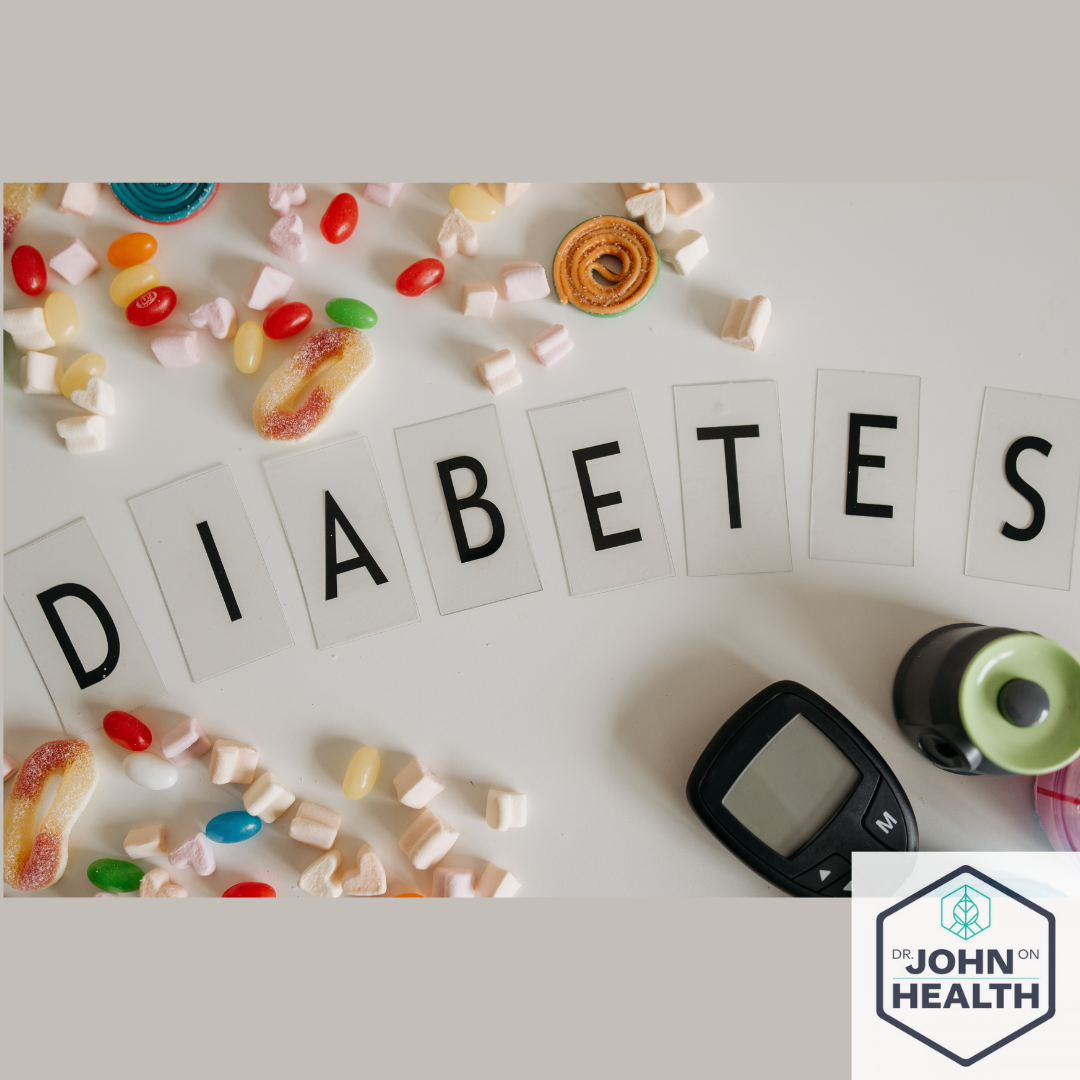
GLP-1 medications such as Ozempic, Wegovy, and Mounjaro have transformed the conversation about obesity and Type 2 diabetes. For many patients, these medications can produce substantial weight loss while improving blood sugar control and other measures of metabolic health.
But their growing use raises an important question: Are these medications simply suppressing appetite, or can the period of reduced hunger also provide an opportunity to develop a healthier relationship with food?
The answer may be important for maintaining the benefits of treatment over the long term.
Why GLP-1 Drugs Work
GLP-1 medications mimic or enhance the effects of hormones involved in regulating appetite, digestion, and blood sugar. Depending on the specific drug, their effects can include slowing stomach emptying, increasing feelings of fullness, reducing hunger, and improving insulin secretion after meals.
The practical result is that many people feel satisfied with much less food.
Some patients also report that foods they once strongly desired—cookies, chips, pastries, pizza, sugary drinks, and other highly processed foods—become less appealing. This reduction in what is sometimes called “food noise” can make it easier to pause before eating and make more deliberate choices.
That may offer an opportunity that goes beyond weight loss.
How Modern Eating Can Override Hunger
Humans have biological mechanisms designed to regulate food intake. Hunger encourages us to seek food, while signals of fullness and satisfaction help tell us when we have consumed enough.
Modern life can make those signals more difficult to recognize.
Highly processed foods are often designed to be extremely appealing through combinations of sugar, fat, salt, texture, and flavor. Food is also constantly available and promoted through advertising, social media, restaurants, convenience stores, and delivery services.
As a result, we may eat for many reasons unrelated to physical hunger: stress, boredom, habit, social situations, convenience, or simply because something looks or smells good.
Over time, distinguishing genuine hunger from a desire to eat can become increasingly difficult.
A Window for a Dietary Reset
This is where I believe GLP-1 treatment may offer an additional benefit.
When appetite and cravings are reduced, patients may have an unusual opportunity to examine when, why, and what they eat without experiencing the same intensity of hunger or desire for highly palatable foods.
Rather than thinking of the medication only as a way to eat less, patients can use this period to practice healthier behaviors: waiting for genuine hunger, choosing nutrient-rich foods, eating slowly, paying attention to portion size, and stopping when comfortably satisfied.
In this sense, medication can provide a window in which healthier eating patterns are easier to establish.

Protecting Nutrition During Weight Loss
Eating less, however, makes the quality of what you eat even more important.
When overall food intake declines significantly, patients need to make sure they are still obtaining adequate protein, healthy fats, fiber, vitamins, minerals, and other essential nutrients.
Preserving muscle is particularly important. Weight loss does not consist entirely of body fat, and losing excessive lean muscle can affect strength, mobility, and metabolic health.
A nutrient-rich diet combined with appropriate physical activity, including resistance exercise when medically suitable, can help support muscle preservation during weight loss.
Understanding the Limitations
GLP-1 medications can be highly effective, but they are not without drawbacks.
Common side effects can include nausea, vomiting, diarrhea, constipation, abdominal discomfort, and other gastrointestinal symptoms. Patients should discuss side effects, nutritional concerns, medication interactions, and appropriate monitoring with their healthcare providers.
There is also the question of what happens when treatment stops.
Research has found that weight regain is common after GLP-1 medications are discontinued. That is not surprising: the biological effects of the medication diminish when the medication is removed.
This is one reason I believe the time spent taking these drugs should be used constructively.

Looking Beyond the Prescription
The goal should not simply be to watch the number on the scale fall. It should also be to improve the quality of the foods you eat and become more aware of the signals that influence eating.
Choose whole, nutrient-rich foods. Prioritize adequate protein and fiber. Eat a variety of vegetables, fruits, nuts, seeds, herbs, and spices. Minimize highly processed foods that make it easy to consume large quantities without feeling satisfied.
Most importantly, begin paying attention again to hunger and satisfaction.
GLP-1 medications represent a major advance in the treatment of obesity and Type 2 diabetes. For appropriate patients, their benefits can be significant. But medication alone cannot teach us how we want to eat for the rest of our lives.
The greatest opportunity may be to use the quieter appetite these medications provide to develop healthier habits while change is easier.
Weight loss is important. Learning how to nourish your body and recognize its signals may prove even more valuable.
John Poothullil, MD, FRCP, is a board-certified physician, award-winning author, and national health advocate focused on preventing lifestyle-related diseases through science-based, practical approaches. He practiced as a pediatrician and allergist for more than 30 years. He published his medical theory in Medical Hypotheses in April 2026. Through his books and advocacy, he encourages people to take a more active role in their metabolic health and long-term wellness. Follow him at DrJohnOnHealth.com.
This article is for educational purposes and is not intended as medical advice. Decisions about GLP-1 medications should be made in consultation with a qualified healthcare professional.
John Poothullil practiced medicine as a pediatrician and allergist for more than 30 years, with 27 of those years in the state of Texas. He received his medical degree from the University of Kerala, India in 1968, after which he did two years of medical residency in Washington, DC and Phoenix, AZ and two years of fellowship, one in Milwaukee, Wisconsin and the other in Ontario, Canada. He began his practice in 1974 and retired in 2008. He holds certifications from the American Board of Pediatrics, The American Board of Allergy & Immunology, and the Canadian Board of Pediatrics.During his medical practice, John became interested in understanding the causes of and interconnections between hunger, satiation, and weight gain. His interest turned into a passion and a multi-decade personal study and research project that led him to read many medical journal articles, medical textbooks, and other scholarly works in biology, biochemistry, physiology, endocrinology, and cellular metabolic functions. This eventually guided Dr. Poothullil to investigate the theory of insulin resistance as it relates to diabetes. Recognizing that this theory was illogical, he spent a few years rethinking the biology behind high blood sugar and finally developed the fatty acid burn switch as the real cause of diabetes.Dr. Poothullil has written articles on hunger and satiation, weight loss, diabetes, and the senses of taste and smell. His articles have been published in medical journals such as Physiology and Behavior, Neuroscience and Biobehavioral Reviews, Journal of Women’s Health, Journal of Applied Research, Nutrition, and Nutritional Neuroscience. His work has been quoted in Woman’s Day, Fitness, Red Book and Woman’s World.Dr. Poothullil resides in Portland, OR and is available for phone and live interviews.To learn more buy the books at: amazon.com/author/drjohnpoothullil
Visit drjohnonhealth.com to learn more. You can also contact him at john@drhohnonhealth.com.
Or follow us on:
Instagram: instagram.com/DrJohnOnHealth
Facebook: facebook.com/JohnOnHealth
Youtube : @DrJohnPoothullil
For more great lifestyle content, see here.
Explore more insights at https://dailymailusa.com/.